


Frequently Asked Gardening Questions Answered - Gardening FAQ Answers
- Edward Jenigen

- Jul 20
- 4 min read
Alright, let’s dive right in! Gardening can feel like a mystery sometimes, right? You plant a seed, water it, and then... what? Will it grow? How much sun does it need? When do you prune? I’ve been there, scratching my head, wondering if I’m doing it all wrong. But guess what? You’re not alone. I’ve gathered some of the most common gardening questions and, more importantly, their answers. Whether you’re a home grower or a commercial cultivator, this is your go-to guide for premium garden success.
Gardening FAQ Answers: What You Really Need to Know
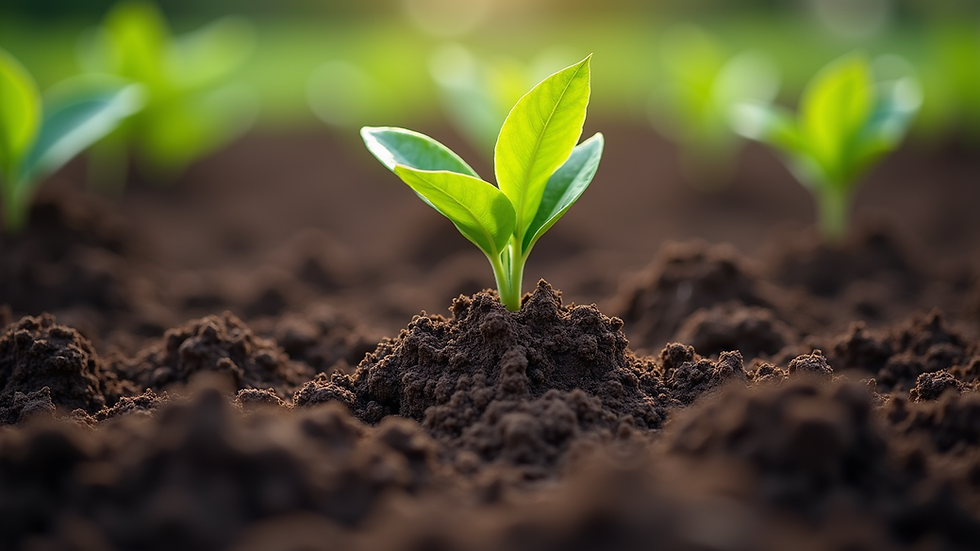
First off, let’s talk about soil. It’s the foundation of your garden, and honestly, it can make or break your efforts. Most plants thrive in well-draining soil rich in organic matter. If your soil feels heavy and clay-like, it might hold too much water, which can drown roots. On the flip side, sandy soil drains too quickly and doesn’t hold nutrients well.
Pro tip: Mix in compost or aged manure to improve soil texture and fertility. It’s like giving your plants a nutrient-packed smoothie every day.
Next up, watering. How often should you water? The answer depends on your plant type, soil, and weather. But a good rule of thumb is to water deeply and less frequently rather than shallow and often. This encourages roots to grow deeper, making plants more drought-resistant.
And sunlight? Most veggies and flowers love at least 6 hours of direct sun. But some plants, like leafy greens, prefer a bit of shade during the hottest part of the day. Pay attention to your garden’s sun patterns and plan accordingly.
Common Pest Problems and How to Handle Them
Pests can be a nightmare, right? Aphids, slugs, caterpillars - they all want a bite of your hard work. But before you reach for harsh chemicals, try natural solutions. For example, ladybugs are aphid’s worst enemy and can be a gardener’s best friend. You can buy them online or attract them by planting flowers like marigolds and daisies.
Slug problems? Beer traps work wonders. Just bury a shallow container filled with beer at soil level. Slugs are attracted to the yeast and fall in, unable to escape.
If you spot caterpillars munching on your leaves, hand-picking them off is surprisingly effective. For larger infestations, neem oil sprays can deter pests without harming beneficial insects.
Remember, a healthy garden is less prone to pests. Keep your plants strong with proper watering, feeding, and pruning.
What are 100 good questions?
Okay, this one’s a bit meta, but hey, if you’re curious about what questions to ask yourself or your gardening community, here’s a quick list of some essentials:
What type of soil do I have?
How much sunlight does my garden get daily?
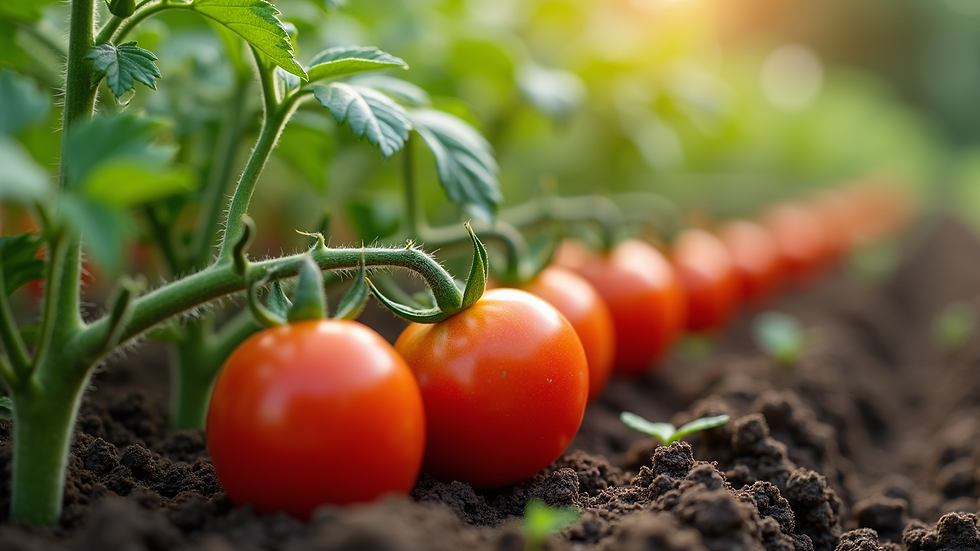
When is the best time to plant tomatoes in my region?
How often should I water my herbs?
What are the signs of overwatering?
How do I attract pollinators?
What natural pest control methods work best?
When should I prune my rose bushes?
How do I start composting at home?
10. What fertilizers are best for organic gardening?
...and the list goes on! These questions help you dig deeper into your gardening journey and find tailored solutions.
Seasonal Tips for Year-Round Success
Gardening isn’t just a spring and summer gig. Each season brings its own challenges and opportunities. In the fall, focus on cleaning up dead plants and adding mulch to protect roots from winter cold. Winter is perfect for planning next year’s garden and starting seeds indoors.
Spring is all about preparation - testing soil, planting early crops like peas and lettuce, and getting your tools ready. Summer? Keep an eye on watering and watch for pests.
Here’s a quick seasonal checklist:
Spring: Soil prep, early planting, tool maintenance
Summer: Water deeply, pest control, harvest regularly
Fall: Clean up, mulch, plant cover crops
Winter: Plan, start seeds indoors, sharpen tools

How to Choose the Right Garden Supplies
If you want to grow like a pro, having the right supplies is key. From quality seeds to durable tools, every item plays a role. When picking seeds, look for varieties suited to your climate and soil. Heirloom seeds are great for flavor and diversity, while hybrids often offer disease resistance.
Tools should feel comfortable in your hands and be built to last. Think sturdy pruners, a reliable trowel, and a watering can with a good spray pattern. Don’t forget soil amendments like compost, fertilizers, and mulch.
And if you’re serious about your garden, consider investing in soil testing kits. Knowing your soil’s pH and nutrient levels can save you a lot of guesswork.
If you want to explore more frequently asked questions about gardening, this resource is a treasure trove of info.
Keep Growing and Enjoy the Journey
Gardening is a journey, not a race. You’ll make mistakes, learn, and grow alongside your plants. The key is to stay curious, keep experimenting, and don’t be afraid to ask questions. Whether you’re growing a few herbs on your windowsill or managing a commercial garden, the right knowledge and supplies make all the difference.
So, grab your gloves, get your hands dirty, and watch your garden flourish. Happy growing!


Comments