


Top Answers to Common Gardening FAQs
- Edward Jenigen

- Sep 15, 2025
- 3 min read
Gardening is a rewarding hobby that brings beauty and fresh produce to your home. However, it can also raise many questions, especially for beginners. This guide provides top gardening FAQ answers to help you grow a thriving garden with confidence. Whether you want to know about soil preparation, watering techniques, or pest control, this post covers essential tips and practical advice.

Understanding Soil and Planting Basics: Gardening FAQ Answers
One of the most common questions gardeners ask is about soil quality and how to prepare it for planting. Good soil is the foundation of a healthy garden. Here are some key points to consider:
Test your soil: Use a soil test kit to check pH levels and nutrient content. Most plants prefer a pH between 6.0 and 7.0.
Amend the soil: Add organic matter like compost or aged manure to improve soil texture and fertility.
Choose the right plants: Select plants suited to your soil type and climate zone.
Plant at the right depth: Follow seed packet or plant tag instructions to avoid planting too deep or too shallow.
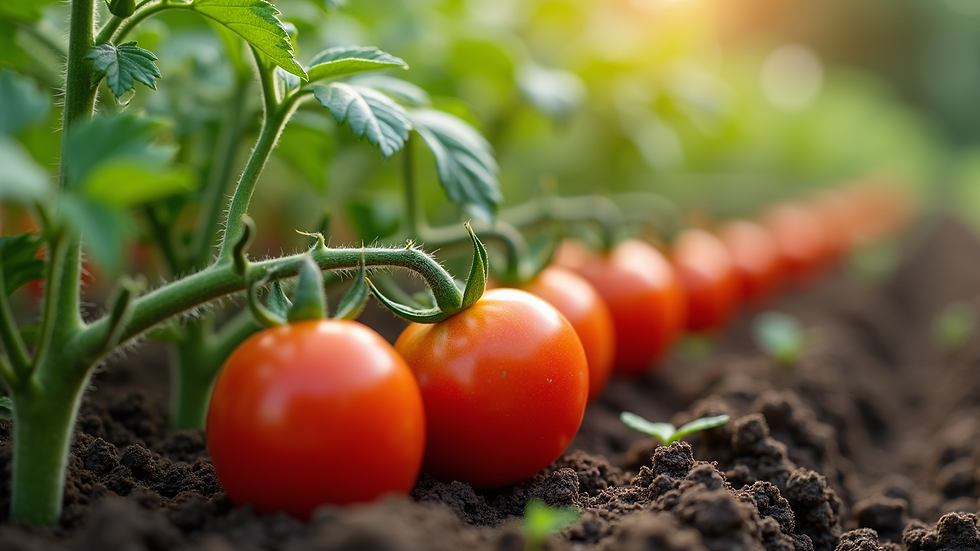
For example, tomatoes thrive in well-drained, slightly acidic soil rich in organic matter. Before planting, mix compost into the top 6-8 inches of soil to provide nutrients and improve drainage.

Watering Techniques and Tips: Gardening FAQ Answers
Watering is another area where gardeners often seek advice. Overwatering or underwatering can harm plants, so it’s important to get it right.
Water deeply and less often: This encourages roots to grow deeper, making plants more drought-resistant.
Water early in the morning: This reduces evaporation and allows leaves to dry, preventing fungal diseases.
Use mulch: Mulching helps retain soil moisture and keeps roots cool.
Check soil moisture: Stick your finger into the soil about 2 inches deep. If it feels dry, it’s time to water.
For instance, vegetable gardens usually need about 1 inch of water per week. Use a rain gauge or a simple container to measure rainfall and adjust your watering schedule accordingly.

Dealing with Pests and Diseases
Pests and diseases can quickly damage your garden if not managed properly. Here are some effective strategies:
Identify the problem: Look closely at affected plants to determine the pest or disease.
Use natural remedies: Introduce beneficial insects like ladybugs or use neem oil sprays.
Practice crop rotation: Changing plant locations each season reduces pest buildup.
Keep your garden clean: Remove dead leaves and debris to prevent disease spread.
For example, aphids are common pests that suck sap from plants. Spraying a mixture of water and a few drops of dish soap can help control them without harmful chemicals.
Seasonal Gardening Tips for Success
Gardening success depends on adapting your practices to the seasons. Here’s what to keep in mind:
Spring: Prepare soil, start seeds indoors, and plant cool-season crops like lettuce and peas.
Summer: Focus on watering, mulching, and pest control. Harvest regularly to encourage growth.
Fall: Plant cover crops to improve soil, and start bulbs for spring blooms.
Winter: Protect plants with mulch or row covers, and plan next year’s garden.
By following seasonal guidelines, you can maximize your garden’s productivity and health year-round.
Where to Find More Gardening FAQ Answers
If you want to explore more gardening topics, check out this helpful resource on frequently asked questions. It covers a wide range of gardening concerns and offers expert advice to keep your garden flourishing.
Gardening is a journey of learning and discovery. With the right knowledge and care, you can enjoy a beautiful and productive garden that brings joy throughout the year. Happy gardening!


Comments