


Top Answers to Gardening FAQs Answered
- Edward Jenigen

- Aug 3
- 4 min read
If you’ve ever found yourself staring at your garden, wondering why your tomatoes aren’t thriving or how to keep pests at bay, you’re definitely not alone. Gardening can feel like a mix of art, science, and a little bit of magic. Lucky for you, I’ve gathered some of the top answers to gardening FAQs to help you get the most out of your green space. Whether you’re growing a few herbs on your windowsill or managing a full-blown commercial garden, these tips and tricks will give you a leg up.
Gardening FAQs Answered: What You Really Need to Know
Let’s dive right in. I know how frustrating it can be when your plants just don’t behave the way you expect. So, here’s the lowdown on some of the most common questions I get asked.
How often should I water my plants?
This one’s a classic. The answer? It depends. Different plants have different needs, but a good rule of thumb is to water deeply and less often rather than shallow and frequently. For example, tomatoes love a deep soak once or twice a week rather than a little sprinkle every day. This encourages roots to grow deeper, making plants more drought-resistant.
If you’re growing in containers, they’ll dry out faster, so check the soil daily. Stick your finger about an inch into the soil—if it feels dry, it’s time to water. And remember, early morning watering is best to reduce evaporation and fungal diseases.
What’s the best soil for my garden?
Soil is the foundation of your garden’s success. Most plants thrive in well-draining, nutrient-rich soil. If your soil is heavy clay or sandy, you’ll want to amend it with organic matter like compost or aged manure. This improves texture, moisture retention, and fertility.
For commercial growers, soil testing is a must. It tells you exactly what nutrients your soil lacks and helps you tailor your fertilization plan. You can get a soil test kit from your local extension office or garden center.
How do I keep pests away without chemicals?
I get it—nobody wants to spray harsh chemicals on their plants, especially if you’re growing food. Here are some natural pest control methods that really work:
Companion planting: Some plants repel pests naturally. For example, marigolds deter nematodes and aphids.
Handpicking: Sounds old-school, but picking off caterpillars or beetles can save your plants.
Neem oil: A natural insecticide that’s safe for most plants and breaks down quickly.
Encourage beneficial insects: Ladybugs, lacewings, and praying mantises are your garden’s best friends.
When should I start seeds indoors?
Starting seeds indoors gives you a head start on the growing season, especially in cooler climates. Most seeds should be started 6-8 weeks before the last expected frost date. For example, if your last frost is around April 15, start seeds indoors in early March.
Use seed-starting mix (not regular potting soil) because it’s lighter and drains better. Keep the soil moist but not soggy, and provide plenty of light—either a sunny window or grow lights.

How do I know when to harvest?
Harvesting at the right time is key to getting the best flavor and yield. Here’s a quick guide for some common crops:
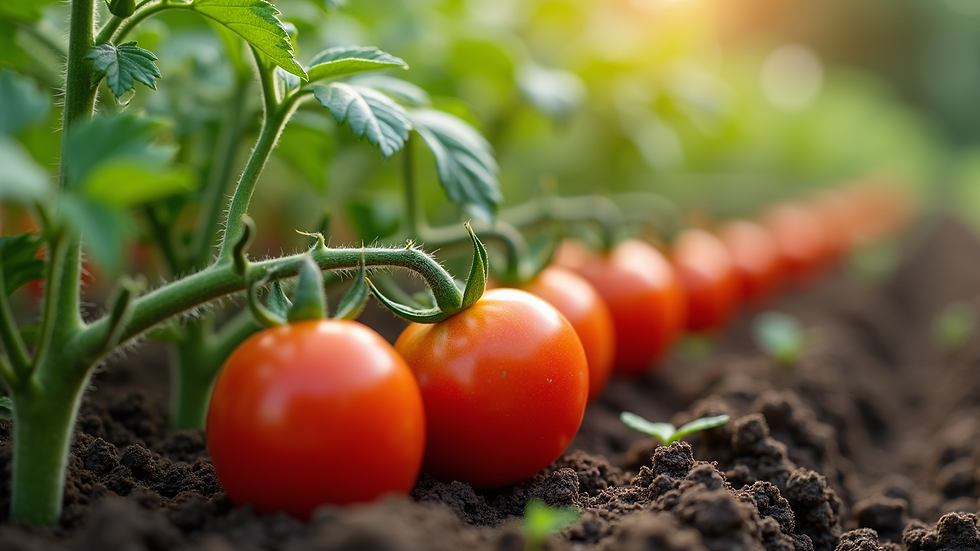
Tomatoes: When they’re fully colored and slightly soft to the touch.
Lettuce: When leaves are big enough to eat but before they get bitter.
Peppers: When they reach full size and color (green, red, yellow, depending on variety).
Herbs: Snip leaves before the plant flowers for the best flavor.
If you’re growing commercially, keeping a harvest calendar helps you plan and maximize your output.
What are 100 good questions?
Okay, this might sound a bit overwhelming, but having a list of good questions can really sharpen your gardening skills. Here are some examples that cover a wide range of topics:
What’s the best way to improve poor soil?
How do I prevent fungal diseases?
What plants grow well together?
How do I extend my growing season?
What’s the ideal pH for vegetable gardens?
How do I compost effectively?
What are the signs of nutrient deficiencies?
How do I prune fruit trees properly?
What’s the best way to store harvested produce?
10. How do I attract pollinators?
And that’s just the start! Having a solid list of questions helps you focus your research and get better results. If you want a full list, I can share more anytime.
Tips for Growing Healthy Plants Indoors and Outdoors
Whether you’re growing inside or outside, some principles stay the same. Here’s what I always recommend:
Light: Plants need light to thrive. Indoors, place them near south-facing windows or use grow lights. Outdoors, know your garden’s sun exposure and choose plants accordingly.
Water: Don’t overwater. It’s a common mistake. Make sure pots have drainage holes and soil isn’t soggy.
Air circulation: Good airflow prevents mold and pests. Indoors, a small fan can help.
Fertilize: Use balanced fertilizers or organic options like fish emulsion or compost tea. Follow package instructions to avoid burning plants.

Your Next Steps to Garden Success
Now that you’ve got some solid answers to common gardening questions, it’s time to put them into action. Remember, gardening is a journey, and every season teaches you something new. Keep experimenting, keep learning, and don’t be afraid to get your hands dirty.
If you want to dive deeper, check out this handy resource on frequently asked questions that covers even more topics. And of course, having the right supplies makes all the difference—quality soil, seeds, and tools set you up for success.
Happy gardening! Your plants (and your taste buds) will thank you.


Comments